Introduction: A small factory moment that changed how I think about production
I once stood in a cramped packing room watching a team wrestle with a jammed roll of wipes — and I felt for them. In that very moment I realized how fragile a chain can be, especially when a wholesale wet wipe production line is expected to run all day without hiccups. The plant had good intentions, a basic converting machine and a hopeful schedule, but output lagged and morale dipped. (You know the kind of day — long, sticky, a bit tense.)
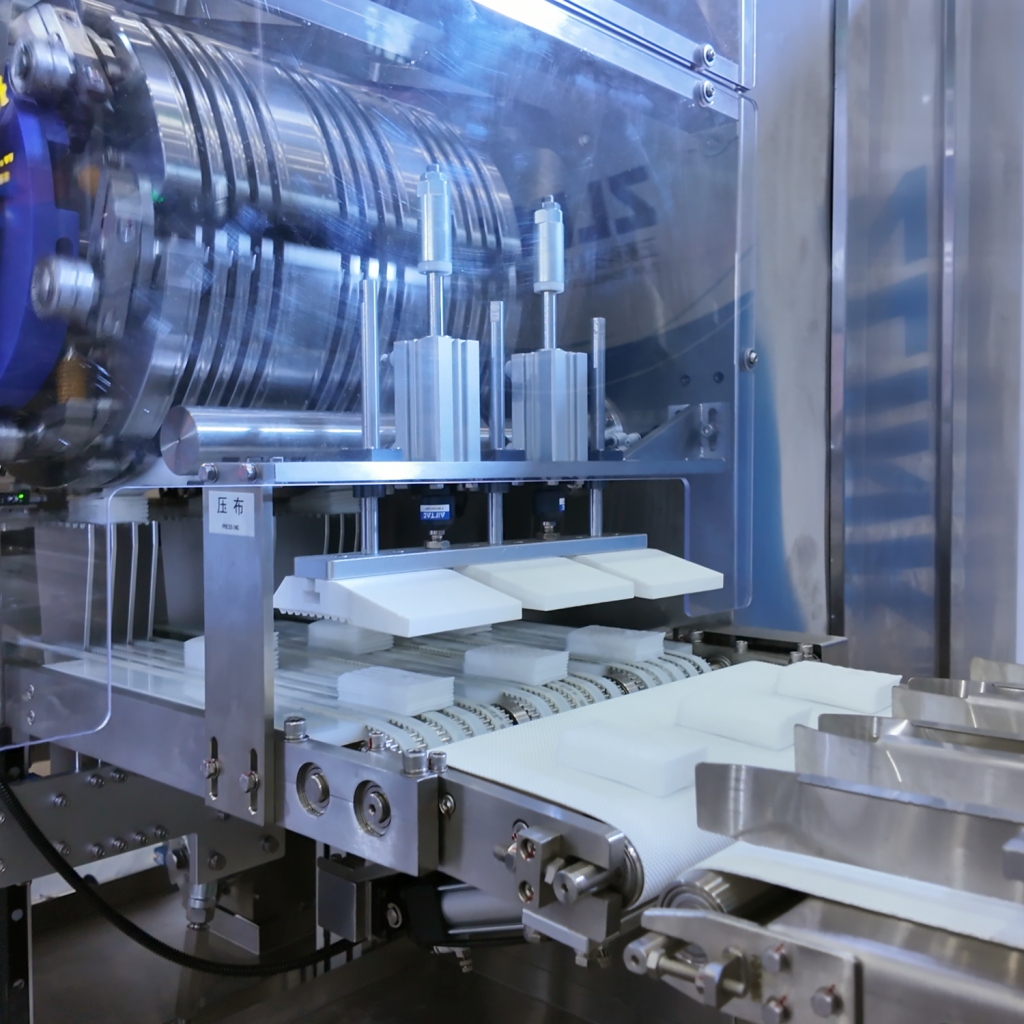
I’m sharing this because data matters: a single hour of downtime can shave off several hundred packs from a daily quota, and those losses add up fast. I’ve seen servo motors misalign, PLC alarms blink for reasons no one immediately understands, and operators patching issues on the fly. As someone who’s spent time on floors like this, I want to ask: how do we move from firefighting to planning? Let’s walk through what I’ve learned — kindly, plainly — and then dig into the packaging challenges that hide behind the scenes.
Deep Dive: Hidden User Pain Points in wet wipe packaging
What keeps operators up at night?
Look, the visible problems — jams, slow lines, inconsistent seals — are only the tip. Underneath, operators and managers face pain points that aren’t fixed by a faster motor alone. For example, the laminate web may look fine, but slight tension variation leads to poor seals later. That single fault can force rework and waste. We’ve also seen sterile filling set-ups that aren’t flexible enough for quick format changes; when demand shifts, changeovers become long, costly affairs.
Technically speaking, systems built around old control logic lack real-time insights. Edge computing nodes can help, but only if data is fed and acted upon. Without that, you get alarms without context and decisions based on guesswork. The human cost? Friction between shifts, eroded confidence in equipment, and a steady leak of yield. — funny how that works, right? That’s why I press manufacturers to look past specs and ask operators: where do you lose minutes each shift, and why? Solving those points often beats chasing peak speed on paper.
Forward Look: New Technology Principles for Better Packaging and Production
How can new tools actually change the day-to-day?
I want to be practical: new tech isn’t magic, but it can remove repetitive pain if applied wisely. Modern systems combine better sensors, smarter PLC logic, and simple HMI prompts that help operators correct problems quickly. For wet wipe packaging the focus should be on modular changeover, adaptive tension control for the laminate web, and closed-loop feedback for sterile filling stations. These measures reduce waste and cut downtime because they target the real weak points we saw earlier.
On the shop floor, that looks like fewer manual tweaks, fewer surprise stops, and clearer data when things do go wrong. You’ll see improved uptime and steadier output — measurable gains. My rule: pick solutions that give quick wins (faster changeovers, better seal consistency) before you chase full automation. Evaluate energy systems too — efficient power converters and simpler maintenance plans save money over time. In short, invest where people spend most of their time; the rest follows. — and yes, small fixes compound quickly.
Practical Metrics to Choose the Right Path
When you evaluate options, I suggest three clear metrics: first, changeover time (minutes to switch formats); second, first-pass yield (percent of packs correct without rework); third, mean time between stoppages (how long the line runs before an issue). These tell you whether tools actually help operators and protect output. I’ve used these myself to cut rework by a noticeable margin — it feels good to see numbers move the right way.
Finally, if you want a partner to talk through these ideas, look for suppliers who combine real machine knowledge with on-floor empathy. I’ve worked with many teams and seen how small, smart improvements add up. For practical solutions and equipment that respect both operators and throughput, I recommend exploring options from ZLINK — they get the balance right.